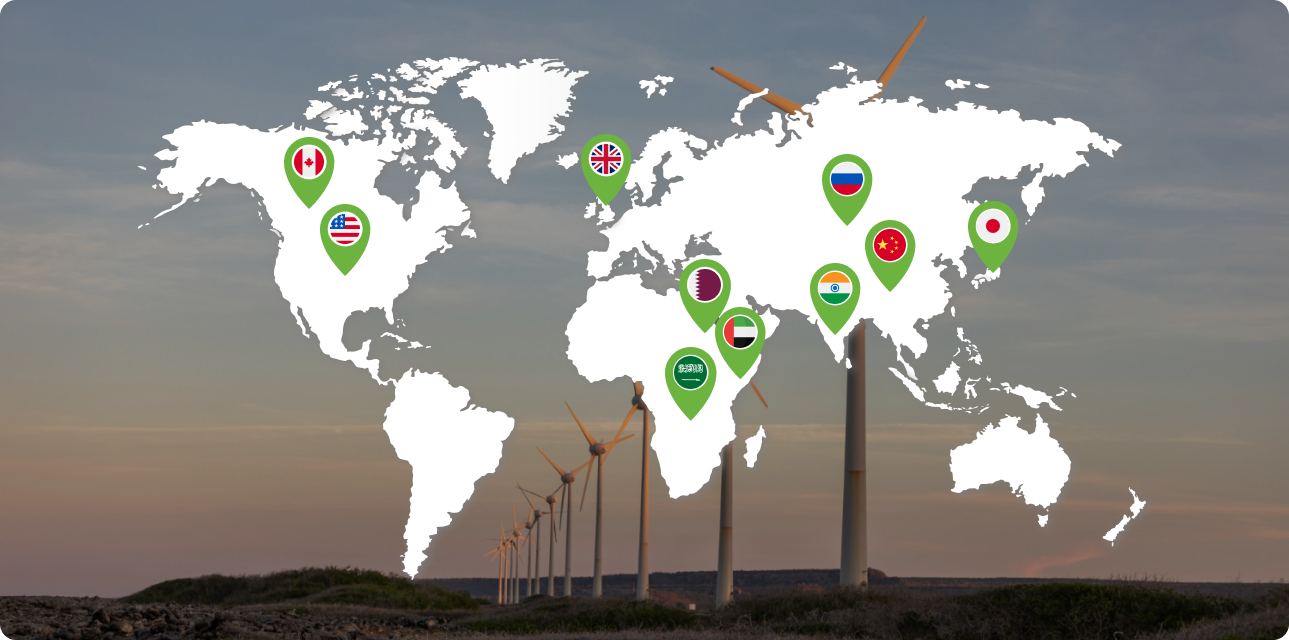






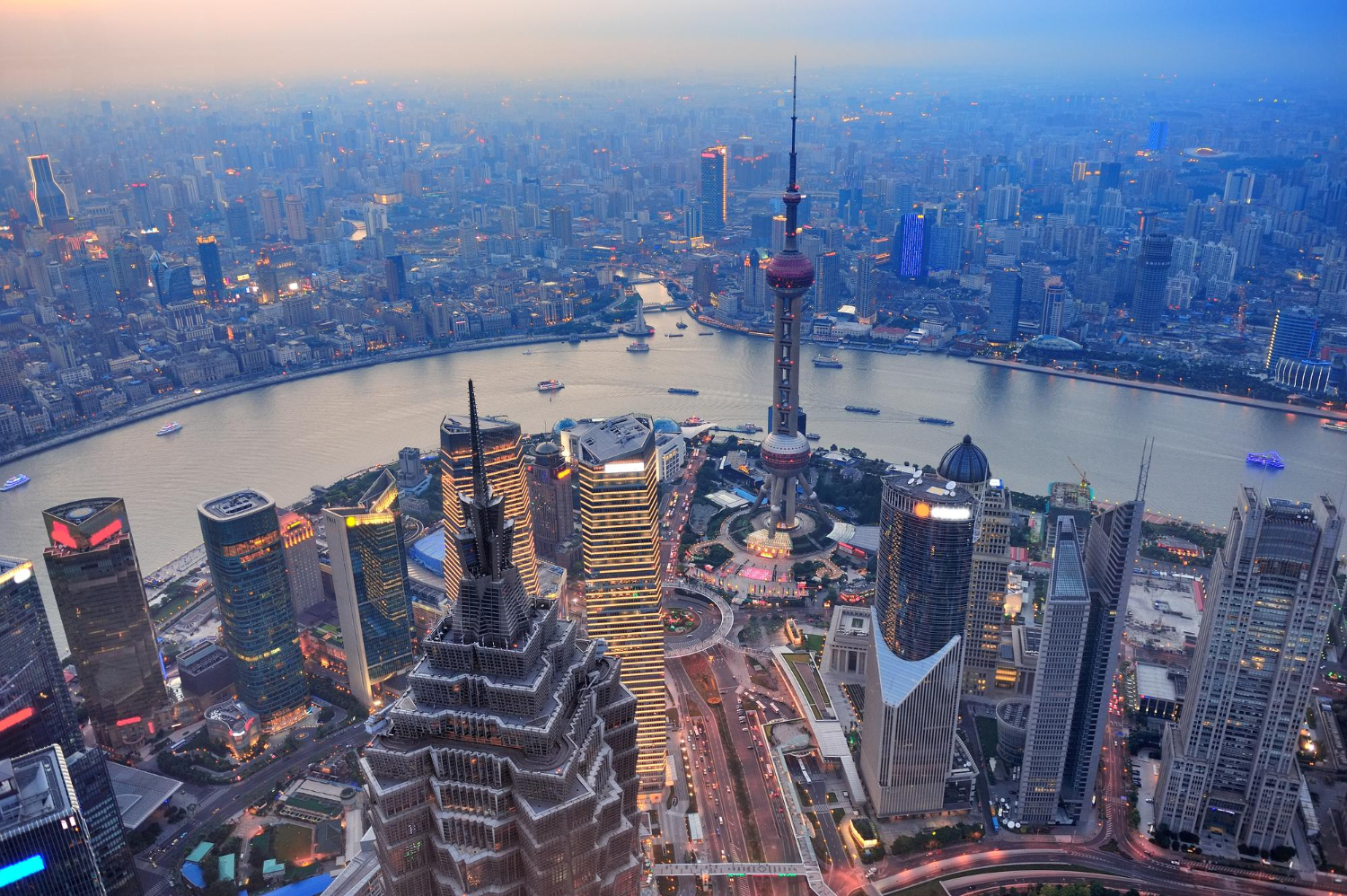
China is by far the largest energy-consuming country, consuming approximately 157 quadrillion BTUs. The vast energy consumption is due to China’s dominant position as the manufacturing center of the world, rapid urbanisation and ultimately the energy-demanding economic development. China's energy requirements primarily consist of electricity for industrial manufacturing processes and cooling in densely populated urban centres, as well as the needs of 1.4 billion people for transportation.

The United States follows in 2023 with a demand of 94 quadrillion BTUs and the highest per capita energy consumption among the large economies. US energy demand consists of residential building heating and cooling, lengthy national transportation networks, electricity-intensive industries, and one of the largest electricity systems in the world. In the case of the US, energy demand encompasses not only electricity but also all energy sources for each industry to provide energy for residential, commercial, industrial, and transportation purposes.
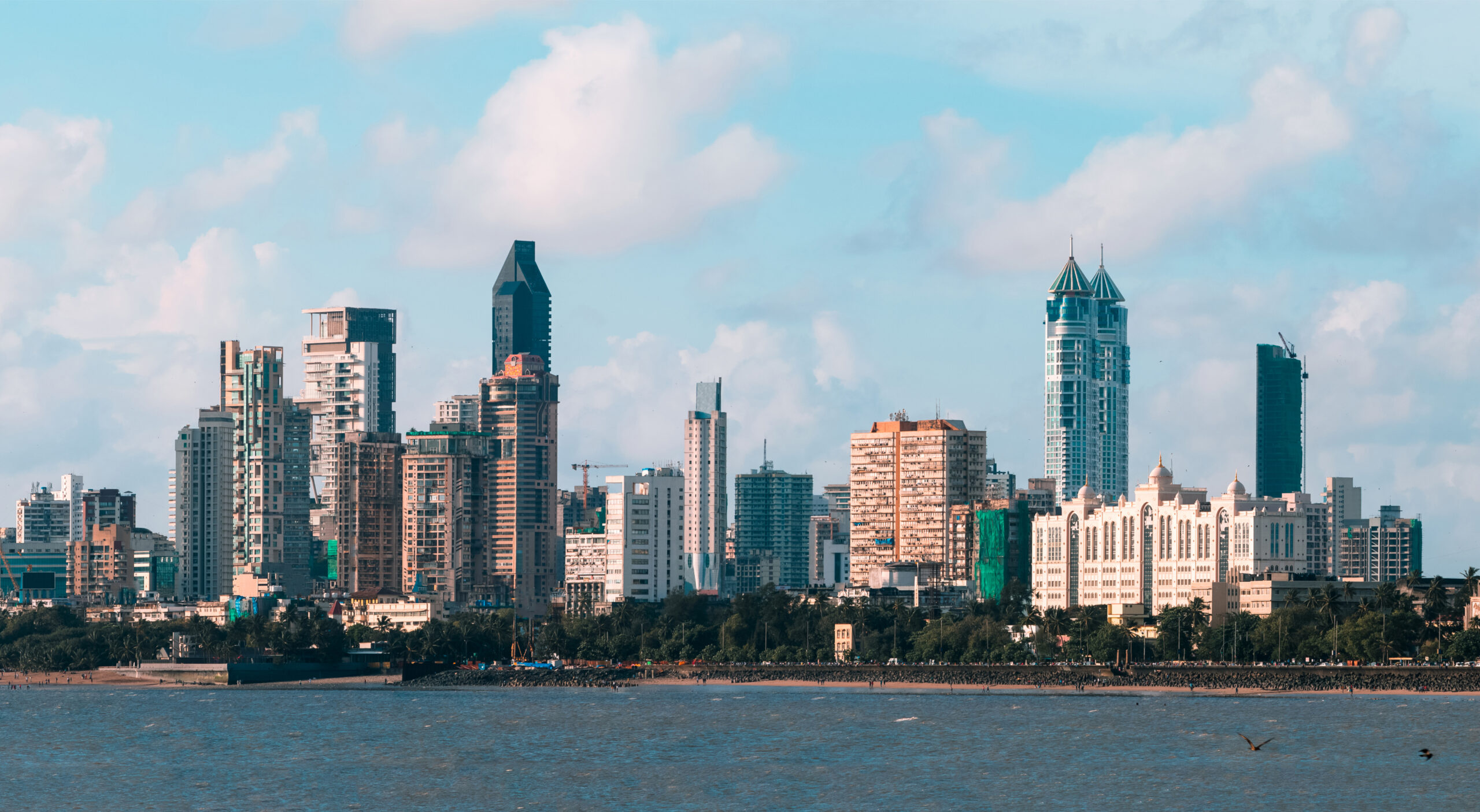
India's increasing energy demand is correlated to economic growth, and resulting investments and energies are focused on expanding modern energy access to a large share of the population in India. Total Primary Demand for energy, including electricity generation, is increasing as about half of the population gains access to modern energy services, and industrial production increases; therefore, electricity generation grows to meet the total energy demand.

While Russia has a smaller population than India and China, it consumes a lot of energy. Russia’s cold climate has led to the development of heavy energy-consuming industries, and its energy economy is based on energy products and their processing. Relative to climate and the composition of the industry structure in Russia, these factors influence national-level energy consumption.
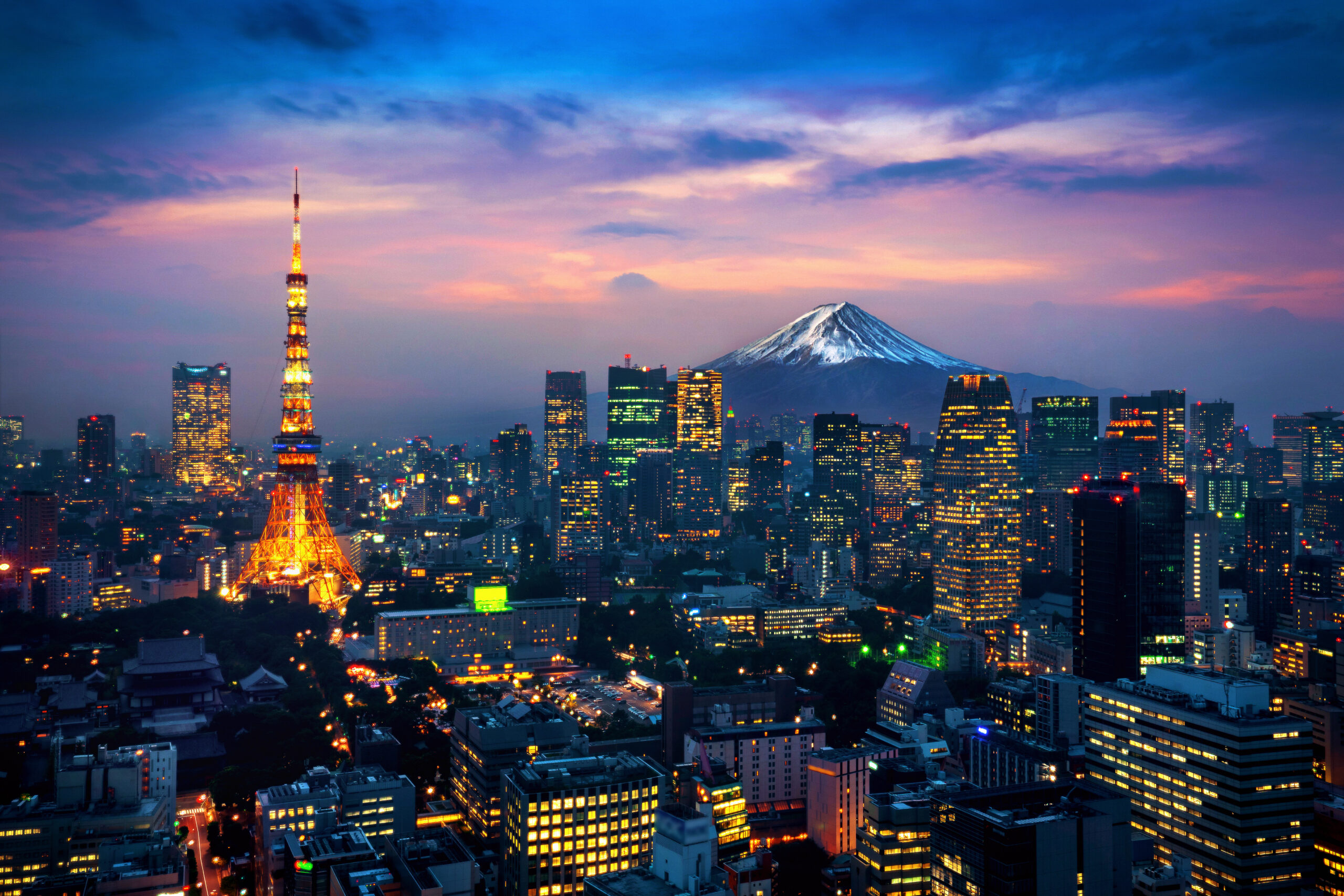
Japan accounts for a larger proportion of energy use and energy imports compared to its energy production. Japan’s energy use includes advanced manufacturing, including the high volume of electricity consumed, with limited energy sources.


The United States is the world’s highest energy producer with 102.83 Quadrillion BTU in 2023. And the United States has been a net energy exporter since 2019. The US energy production includes oil production from shale oil extraction, natural gas, coal, nuclear generation, and a rapidly growing renewable energy supply. The shale revolution transformed the US from a major net energy importer to an energy exporter, fundamentally altering the direction of global energy markets.
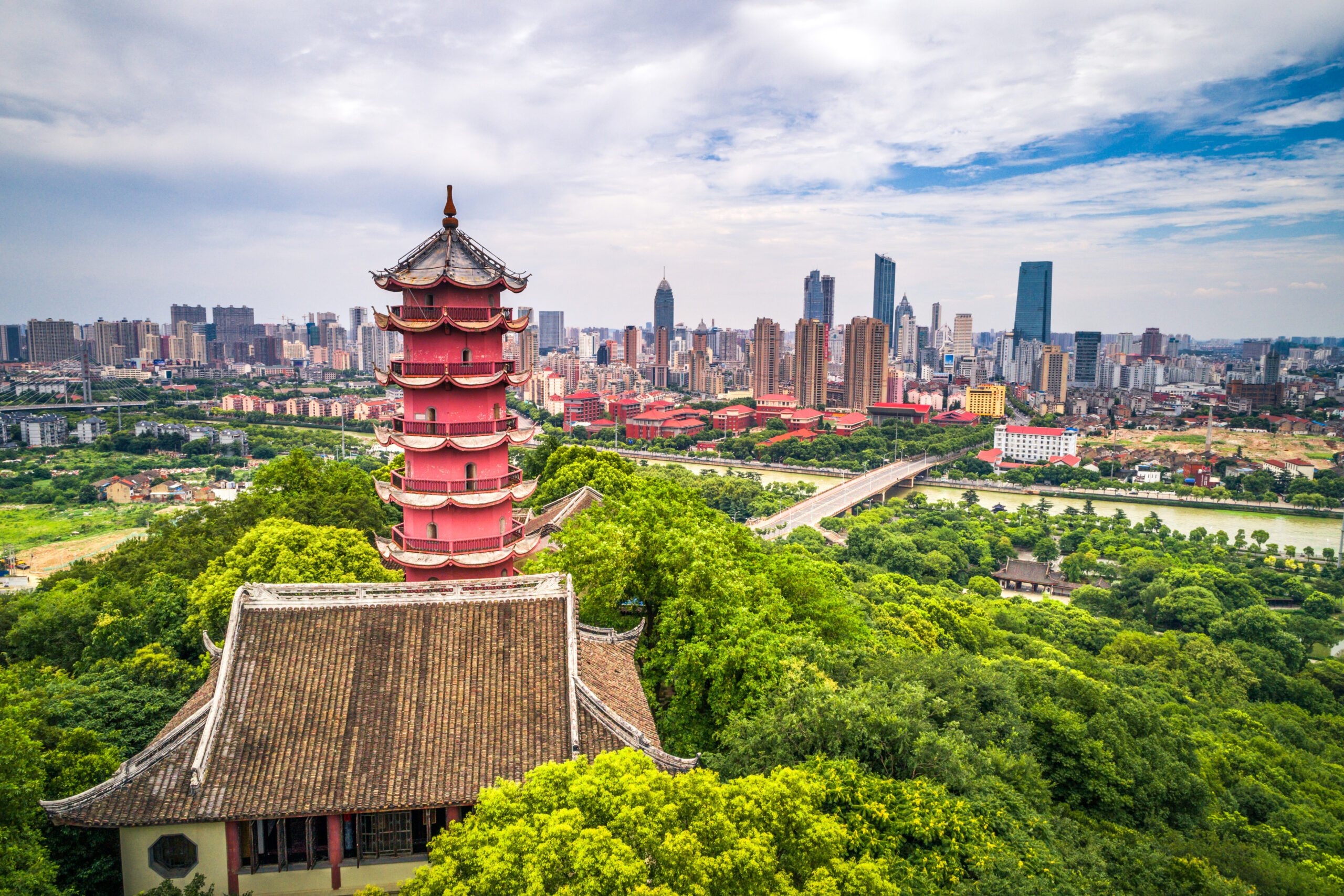
China is the world's largest consumer of energy and a significant producer of energy. China is leading the world in renewable energy production, accounting for 58% of global renewable energy growth in 2024. China dominates solar PV manufacturing, wind turbine manufacturing, and hydro power generation. China’s energy production model aims to utilize domestic resources to reduce imports and rapidly increase its supply of clean electricity, while meeting the enormous domestic energy demand.

Saudi Arabia is the biggest oil producer in the world and the largest exporter of oil and a critical player in world energy markets. Saudi Arabia’s capacity to produce oil and sovereign reserves provides the country with significant market power over international oil prices and energy security. Vision 2030 initiatives aim to create a more diverse energy supply for Saudi Arabia while maintaining its leadership in the global oil market.

Canada has a substantial energy economy, primarily based on oil sands, hydropower, and natural gas production. Canada's energy production exceeds its consumption, making it challenging to export energy internationally to the US while simultaneously building and improving its renewable energy capacity. The analysis of production-to-consumption ratios highlights important aspects of energy independence and security. Countries such as Russia, Saudi Arabia and Canada produce more energy than they consume, allowing them to be net exporters, which gives them market power over other countries. Major importing countries, such as Japan and Germany, are experiencing challenges to their energy security, despite having the most advanced economies.