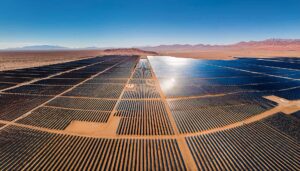
The energy industry is currently experiencing an historic workforce transformation, as clean energy job fields continue to outpace any other sectors for industry growth.
Governments are making unprecedented investments into renewable infrastructure, establishing net zero and sustainability targets which have led to an intense competition for skilled workforce professionals.
Energy recruitment is playing a vital niche role in connecting the appropriate talent for both the enlarged and the new renewables sector.
What Makes Energy Recruitment Unique
Energy recruitment is unique in its breadth, complexity and speed of transformation. Recruiters need to have technical expertise, know compliance requirements, and have foresight into the rapid evolution of skills and upskilling as the infrastructure migrates to renewables.
Specialized skills – from offshore technicians to battery storage integration – are now highly sought after.
Employing agencies not only network the talent to jobs but also establish that the candidate has the safest certifications, compliance requirements and ability to conform to a sector that is constantly changing.
Clean energy has emerged as a “good jobs engine” globally.
Clean energy jobs have grown by 18% between 2022 – 2023 and employs about 16.2 million people globally – drawing from solar, wind, battery storage and emerging hydrogen sectors.
Significant policy initiatives (like the U.S. Inflation Reduction Act) ushered in over $300 billion in renewable investments, and job creation for energy workers, contractors and highly skilled engineers.
The traditional energy workforce is evolving as well.
Many oil and gas workforce professionals are being retrained for renewable energy careers, leveraging their portable skill sets within the solar, wind, hydrogen and carbon capture industries, and others are pivoting within the energy sector to support grid modernization and energy storage.
A new, greener digital energy landscape is resulting in historic demand for electricity, leading to needs all over the chain, from generation, transmission, to site operations, along with increasingly sophisticated data management.
Key Industries and Careers in Demand
Renewable Energy roles
Solar is the most significant employer, and its rapid onboarding process is making it a viable option for career switchers.
Wind turbine technicians, and offshore energy experts help scale wind capacity.
Battery storage experts, grid engineers, and AI systems analysts are required to stabilize and optimize the grid, which is becoming more reliant on renewable sources.
Hydrogen economy careers with production engineers and fuel cell experts are emerging as the next generation of green jobs, particularly in Europe and the Middle East.
Traditional Energy roles
Oil, gas, and nuclear industries continue to be crucial, however jobs are re-allocated primarily around operations, environmental compliance, and incorporation of renewable sources.
Oil and gas engineers often pivot to geothermal, carbon, LNG or green hydrogen projects.
Cross-industry Job Roles:
Project Managers who have technical, regulatory, and stakeholder expertise to manage complex infrastructure projects.
Technology focused staff- AI, software and data analysts to manage a smart grid, demand response, and predictive maintenance.
Regulatory and ESG experts to fill in evolving policy with operational practice.
Essential Skills and Emerging Qualifications
Degree-based hiring is decreasing; skills and industry certifications are recovering. Certifications such as NABCEP (solar), GWO (wind) and targeted micro-credentials creates the opportunity to access a wide talent pool.
Digital skills- data science, IoT, cyber security, and predictive analytics are essential for most energy roles as AI and automation change the way we deliver and manage energy.
All three nodes differentiating the best candidates are cross-functional capabilities (e.g., engineering, business, regulatory), being diesel and having a lifelong learning mindset.
Energy companies are also starting to screen for candidates with an eye on safety, environmental stewardship, a willingness to move locations or flexibility to work in very remote or challenging environments.
Global Energy Recruitment Hotspots
North America
Texas and California are growth states—Texas for wind and solar; California for battery storage and grid improvements. The Midwest is the leader in biogas, and the East Coast is expanding offshore wind.
Europe
Leaders in offshore wind (Germany, Spain, UK), floating wind (Netherlands, Denmark), hydropower and geothermal (Nordics), and energy efficiency roles in the EU.
Middle East
Saudi Arabia and UAE are shifting to green hydrogen and large solar jobs from conventional production.
Asia Pacific
China is the competency leader in solar/battery manufacturing; India is the installations and operations leader; Australia is the lead in hydrogen and minerals; Japan and South Korea are the lead for advanced nuclear and battery technologies.
Compensation Trends in Energy Recruitment
The competitive landscape resulted in widespread compensation increases: almost 50% of professionals in renewables received an increase in 2025, including a significant number (i.e. greater than 1 in 5) of those with betters, greater than 5%.
Positions requiring specific knowledge areas – engineering, commissioning, plant manager – have often associated with very high bonuses, stock options or rewards in detail in technologically crowded areas, such as battery storage or hydrogen.
Companies in the industry implemented pay strategies relying entirely on performance and future growth earnings based on scarce employees who worked, lived, and will work within existed regional development.
Skills-based and certification-based hiring have opened up well-paying good jobs for people not relying on four year degrees and further developed the available talent pool.
Willingness to work places of remote and emerging markets, or willing to lead new tech pilots, often tied geographic premiums or experiences uniquely.
Diversity and Inclusion in Energy Recruitment
Diversity drives innovation, a core component of operational and financial performance for energy teams.
Initiatives focus on increasing participation based on demographic identification – gender, ethnicity, neurodiversity, education background and building talent pipelines for underrepresented groups (ex. Women in Wind, Indigenous energy projects).
Companies in the industry build mentorship, sponsorship, and targeted development programs to accelerate development.
Global Energy Recruitment Hotspots
AI and Green Tech Collaboration: There’s increasing interest in hiring skilled technologists who understand energy systems, technology and AI, especially for smart city/grid and predictive analytics positions.
Grid Modernization: New hybrid roles that converge utility talent with IT and software engineers are arising as the grid is modernized, and the old grids are prepared for renewables.
Carbon Capture & Storage: These are new areas for project management, engineering, and regulatory officials as deployment begins to scale.
Energy-as-a-Service: These energy experts are customer facing and have business hybrid and technical skills. They help clients maximize their energy costs and energy use.
Sector Convergence: As buildings, transport, industry, and power align, there is a high demand for systems thinkers who can work across traditional silos.
Best practices for Success in Energy Recruiting
Bridges to technical schools, community colleges, and certificate programs offer access to new talent pools.
Both OJT and apprenticeships effectively bridge industry gaps and skill gaps with new career paths while enhancing retention.
Good, specialized energy recruitment firms can find elusive individuals, especially for technical or executive technical positions.
Retention of talent in companies results from advancement, development, and unique employer brand i.e. sustainability and innovation.
Flexibility with work and relocating access expands coverage beyond traditional geography, critical because of the “in-the-field” nature of the sector.
Key Takeaways
Recruiting in energy 2025 is dynamic and directional – soaring investments, changes, technology innovation, and world views towards clean energy.
Quickly developing a talent pipeline, emphasizing a skills-based hiring approach, and manual commitment to career development will foster success in the race.
The convergence of renewables, digitalization, and world policy changes shows career pathways that have never presented themselves for the agile at every level and going into every region.
Marketing changes, sector differences, and strong connections are indispensable to success.
As more commitments to inclusion, innovation, and sustainability in the sector continues to blossom, recruiting in energy will be deep within the whole world’s arena in the journey towards a more sustainable future.
Indeed, the individual s that step into this region today will frame tomorrow’s global energy for generations to come.
Do I require advanced technical knowledge to enter the energy industry?
Not necessarily. There are positions that require some technical knowledge, but most entry-level positions provide thorough training. There are positions in the field available for workers with a variety of education levels from high school diplomas to higher degrees.
Is the energy industry evolving away from traditional jobs?
The energy workforce is evolving. Renewable energy creates new job opportunities, but traditional energy continues to be produced while clean energy is developed. Workers can pivot from one to another as the industry innovates and develops more emerging technologies and solutions.
What are the physical demands of energy careers?
Energy careers can be very diverse, from working on an engineering desk or in business, to work that requires physical exertion in the field. This will significantly vary between positions. Most positions require both indoor and outdoor work, and all operational positions include comprehensive training in safety, as well as the use of personal protective equipment.
Are energy careers stable, long-term?
Energy careers offer tremendous job security because, regardless of the economy, electricity, heating, and fuel are critical. There are also emerging growth opportunities because the industry is evolving toward clean energy, while traditional energy knowledge continues to need to be in demand.
Can I transition into energy from another sector ?
Yes! Many energy jobs allow transferable skills from outside the sector. Experience in operations, mechanical skills, IT, or business can all be applicable to energy jobs. Many companies still provide job-specific training to employees who come from other careers.
Stay informed with our newsletter
Subscribe to our Energy Job Search Blog newsletter and never miss out on the latest industry insights, expert tips, and exclusive updates. Whether you’re looking to stay ahead in your career or just want to stay informed, our newsletter delivers straight to your inbox.
By clicking Sign Up you’re confirming that you agree with our Terms and Conditions.