
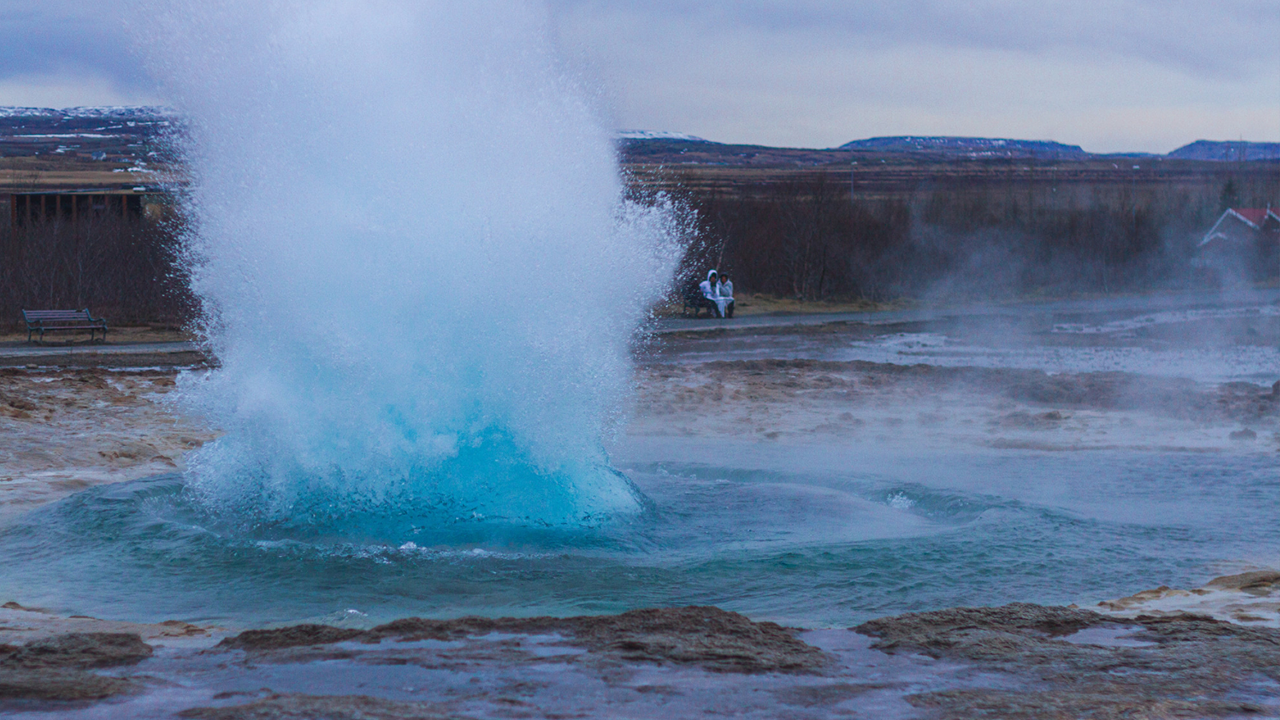
People extract and use geothermal energy, the Earth’s internal heat, as a unique, low-processing, and virtually carbon-free energy resource.
Is Geothermal a Renewable Resource?
Yes, geothermal energy is a renewable resource similar to solar, wind, and hydro power.
As long as we don’t overuse it and allow time for it to replenish or be supplemented, we can repeatedly use geothermal energy. Unlike fossil fuels like oil and gas, which we consume without replacement, geothermal renews itself.
How Does Geothermal Work?
Geothermal involves harnessing the Earth’s internal heat, which the Earth has retained since its formation.
The inner core of the planet is over 10,800°F, which is close to the temperature of the Sun’s surface. Moving away from the core, it begins to cool to just over 7,000°F, and it’s here in the mantle where rocks and water absorb the heat.
In addition to this captured heat, the decay of radioactive particles continues to provide heat even after cooling or once it is removed, so the source renews.
Unlike other clean energy sources, geothermal energy provides a consistent output, thanks to the constant presence of geothermal heat.
This constant output is one reason that geothermal power plants supplement the variability of more popular solar and wind energy sources. They often require advanced storage systems to compensate for periods when output is minimal.
Extracting Geothermal Energy
The heat can be extracted from deep below ground or closer to the surface.
Hot springs and geysers often indicate areas rich in geothermal energy, though we can also find it deep underground in heated water reservoirs.
When the subsurface heat raises the temperature and pressure of water in underground reservoirs, it creates hot water and steam that can rise and escape out.
After drilling wells, these heated waters can be used to produce steam in power plants, which, once captured, drive turbines and generate energy.
Geothermal Power Plants
Once a plant is raised and placed on the source, it has a long lifespan.
Geothermal plants use significantly less land than other power plants and can operate for over 30 years on the same energy source if we maintain their infrastructure well.
As pressure in the wells is lost over time, additional wells may be drilled or liquid injected to maintain energy production.
Geothermal’s Place in the Clean Energy Mix
Geothermal energy may not be as popular a renewable energy source as wind or solar in the United States, but it remains a powerful and environmentally friendly option that adds stability to the clean energy industry.
Once geothermal is adopted, it offers plenty of advantages and significant benefits.
It’s estimated that by 2050, over 12 percent of America’s electricity will be supplied by geothermal sources, and plants will need experienced workers in the renewable energy field.
A Consistent Source
Geothermal energy provides constant, low-cost, 24/7 baseload power that we can use on its own or to supplement other renewable sources.
Whether the power comes from heated water being pumped up to spin turbines or from steam directly driving turbines, the resulting energy can be used for:
- Heating
- Cooling
- Incentivized as an addition to the electricity system
Growing International Demand
For many parts of the United States, geothermal energy on its own remains a niche source. It’s often paired with other sources and used as a supplement.
As of 2023, the U.S. has only tapped into 0.7% of geothermal energy sources.
However, geothermal remains a unique renewable energy option and a career advantage for those wishing to enter the renewable energy field.
It’s an energy source that’s both interesting and strategically valuable, and is already experiencing growth.
Globally, it is quickly becoming a more dominant form of renewable energy, which isn’t that much of a surprise because humans have been using the energy in hot springs for thousands of years to cook and bathe.







In countries like Iceland, geothermal energy is the primary source of energy, meeting nearly 90% of the country’s heating needs.
It is more popular and reliable as it has areas where sunlight and wind are less available or consistent.
As a renewable energy source, geothermal energy covers a significant portion of the electricity in:
- New Zealand
- El Salvador
- Kenya
- The Philippines
Greater Efficiency and Versatility
Geothermal energy is becoming a reliable and efficient power source.
Although wind and solar energy are cleaner than oil and gas, we must take additional steps to convert them into usable power. With geothermal energy, once we extract the heat, we don’t need to store, transport, or burn fuel.
The plants needed to convert heat into energy are also more environmentally conscious.
- They take up less space than a solar or wind farm
- Can utilize the geothermal energy almost immediately to heat water, heat buildings
- Geothermal energy can be converted into a form that can supplement electricity
Enhanced Geothermal Systems
Finding an area with the right mix of heat and groundwater can be difficult. The rock must be such that heat can easily transfer to the water as it flows over, with plenty of room for the water to move.
Many of the best areas for geothermal extraction are hard granite shelves with no availability for water to circulate.
Innovative technologies once used by oil and gas to reach and remove deposits, such as EGS (also known as geothermal fracking), are helping to expand the number of geothermal energy locations.
These systems address and correct environments that lack the necessary conditions for heat extraction.
After we identify an area with high temperatures, we inject water to create or reopen fractures, increasing permeability.
Once we expose more surface area, we circulate water through the area, where hot rock heats it. We then pipe the hot water or steam out of the reservoir and use it for electricity, heating, or cooling.
EGS offer the possibility of tapping into many more geothermal sites, although the technology has both advantages and disadvantages.
Pros
- Renewable and carbon-free source of electricity
- Increases the number of sites for geothermal energy
- Reusing oil and gas technology for a new generation of energy
- Fracked wells can act as batteries, storing energy in the ground until it’s needed
Cons
- Fracking has been linked to an increase in seismic activity
- Possibility of contaminating groundwater
Geothermal fracking represents a technological breakthrough for geothermal energy with some issues.
Energy organizations, such as the Institute for Energy Research, are weighing the pros and cons and finding that the environmental benefits may outweigh the potential drawbacks.
Job Seekers
For junior or mid-level workers seeking a similar role in the renewable energy sector, many of the skills necessary for oil and gas production are applicable to geothermal EGS.
These include drilling wells, geosteering, and an understanding of subsurface geology.
Opportunities in the Geothermal Energy Business
The geothermal industry is a growing sector, but it’s one that has its own share of challenges for businesses.
However, this isn’t slowing down the availability of jobs for those wanting to transfer to the geothermal industry.
Job Opportunities:
- Sales
- Geothermal Engineers
- Technicians and Operators
- Construction Workers
- Project Managers
- Resource Assessment
There are numerous transferable skills between geothermal, other renewable energy sectors, and the oil and gas industry.
If you are looking to change careers you’ll find that many available job opportunities closely resemble the industry they are currently in.
The Future of Geothermal Energy
Geothermal energy is a reliable, renewable and growing source of energy.
It offers a career with a vast number of jobs in many different fields, from those requiring a master’s degree to those specializing in data analysis and sales.
For more information about the geothermal energy sector and a career in renewable energy, check out the Energy Job Search Blog.